

Grief and Loss
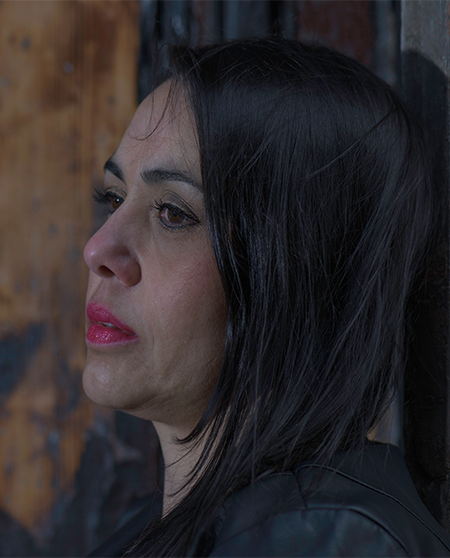
Grief and loss are individual experiences.
Everybody grieves from loss differently. A person may not cry at a funeral or gathering and be questioned why. That person may have been the caretaker and have gone through the stages of death and dying. Although death was expected, the individual adapts to the loss in their own manner.
Others find it difficult to forget their loss of a loved one, making it difficult to move past and worrying about how they can live without the one they lost.
Other forms of loss also create grief. For instance, the woman who is going through menopause with all its significant symptoms sees it as a major life-changing experience and is grieving losing or has lost her identity. She feels alone and isolated. At the same time, another woman who is symptom-free welcomes the life transition. Although both are experiencing life changes, one views the change as a loss, whereas the other views it as a gain.
The good news is that by verbalizing feelings associated with the loss, we begin to practice self-love and the healing power of learning to love ourselves.

Grief therapy helps the healing process.
As a therapist, I know there is no time limit on grief. It’s important to discuss how they feel about their loss. This helps the client process the underlying memories and feelings about their loss and intense emotions.
Through time, the client can learn to control their distress and emotions. Although you will never forget your loss, you can learn to accept that loss and move beyond the emotional upheaval you feel.
The path to overcoming the grief you feel takes time, and as your therapist, I will walk this path with you, allowing the support and time you need to process your grief.
Contact me today at (678) 719-8168 for a free 20-minute phone consultation to ensure we are a good fit and discuss how I can help you.